

Bessent Gives Rare Verbal Support to Korean Won, Sparking Rally

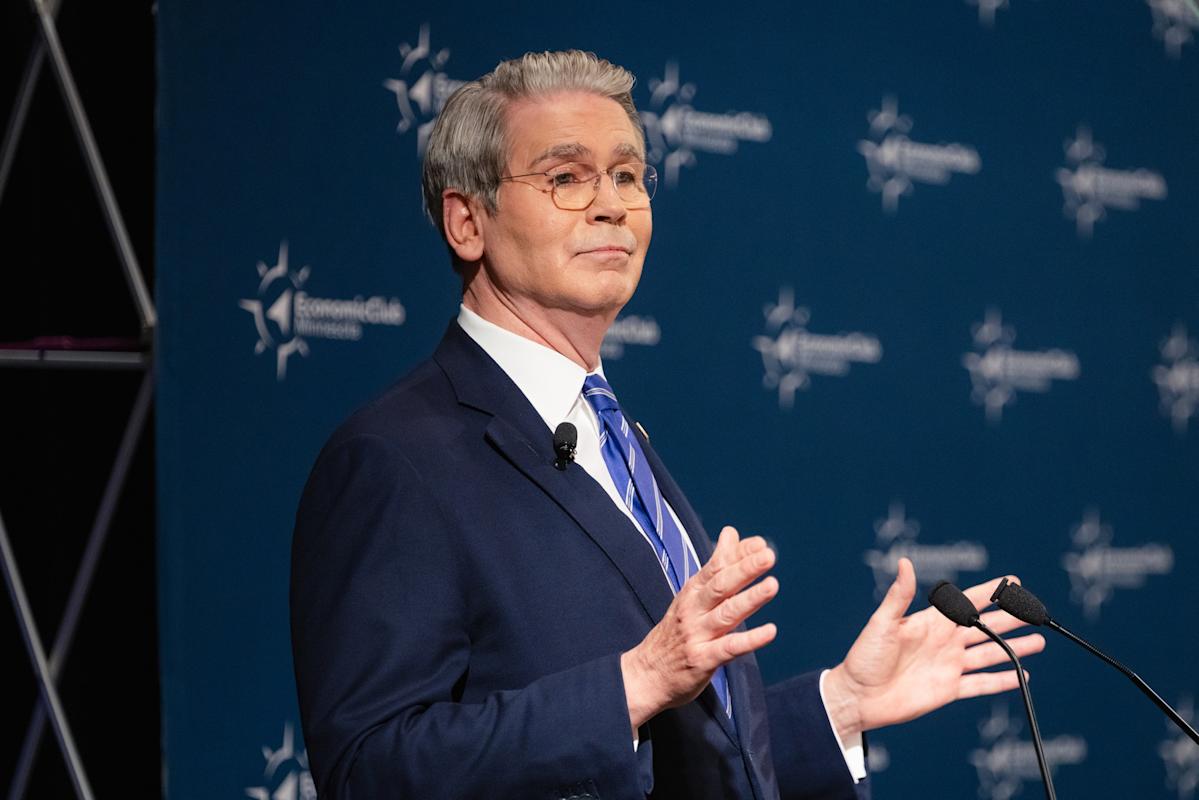
(Bloomberg) — Treasury Secretary Scott Bessent called out excessive declines in South Korea’s won on Wednesday, offering rare verbal support to the currency as it slides toward its weakest since 2009.
The US Treasury chief made the remark in a social media post and in a statement from his department regarding a meeting he held Monday with South Korea’s Finance Minister Koo Yun Cheol. In a separate statement, he also touched on currency volatility in a discussion with Japan’s finance minister earlier in the week.
Most Read from Bloomberg
Bessent “emphasized that excess volatility in the foreign exchange market is undesirable” in his talks with Koo.
“Their discussion addressed the recent depreciation of the Korean won, which the secretary noted was not in line with Korea’s strong economic fundamentals,” the Treasury said.
Bessent, a foreign-exchange specialist during his decades-long career as a hedge fund manager, rarely comments on specific exchange rates. But earlier this week, Japan’s Finance Minister Satsuki Katayama said that Bessent had shared her concerns about one-way weakening of the yen.
“Noting the inherent undesirability of excess exchange rate volatility, the Secretary also emphasized the need for sound formulation and communication of monetary policy,” the Treasury said in its statement pertaining to that meeting. The reference to monetary policy echoes remarks Bessent made last October, when he called for Japan’s government to give the Bank of Japan “policy space” to fight inflation.
While the dollar has retreated against most major currencies over the past nine months, that’s not been the case with some Asian exchange rates. The yen has tumbled more than 9% in that time, while the won is down almost 3%.
Bessent’s won comments came with the currency trading around 1,470 per dollar, close to a 17-year low, and a day before a Bank of Korea monetary policy decision. The currency had strengthened to around 1,420 per dollar late last year amid intervention by Korean authorities and strategic currency hedging by the National Pension Service. But it’s since reversed course, with pressure building since the start of the year as it tumbled the most among Asian currencies.
The won gained as much as 1% after Bessent’s post.
Leave a Comment
Your email address will not be published. Required fields are marked *